

By Moses George, ThD
Introduction
Over the years, theology as a discipline has attracted lots of questions and criticisms. While some have accused the discipline of being utterly useless outside Christian circles, others have different opinion. The reality is that theology should be held in very high esteem because it principally revolves around God — the Omnipotent, Omniscient and Omnipresent.
Engagement with the realities of life transcends mere objective or comparative analysis as offered by the sciences and some other disciplines. While it is true that other disciplines have contributed greatly to the human race, they do not have the capacity to look outside our own perspectives in order to meaningfully engage with the great puzzles and questions that have always stared humanity in the face.
The practice of theology should not be exclusively restricted to the ecclesia as most people seem to think. It should be properly packaged and deployed to the public sphere where it can effectively be engaged in issues or challenges associated with the present realities in our multicultural and globalized world.
Since God is the embodiment and ultimate source of all knowledge (Colossians 2:3), it is logical to conclude that all knowledge is entrenched in the all encompassing knowledge of God who is the central source and focus of all theological pursuits.
Considering its robust engagements with the ultimate source of knowledge and wisdom, theology has the capacity to effectively address and engage with issues and challenges in the public space, while not neglecting ecclesial matters. If that be the case, theology should not shy away from actively engaging with the political, cultural, educational, economic, medical, ecological fields, etc; and not just with the private and ecclesial spheres as it has been traditionally done.
This brief paper aims to look at theology as an academic discipline that can be effectively deployed to address human challenges and add substantive value to various areas of human existence.
The Queen of all Disciplines
For obvious reasons, it is not an exaggeration to claim that theology is superior to all other human disciplines. The enterprise aims to know and understand what God has chosen to reveal about himself, his actions on earth, his creation and what lies beyond our present realities. It is very unlikely if there is any other discipline that can effectively carry out this very important task.
Thomas Aquinas (1225 – 1274 AD), the great middle age scholar once submitted that theology is “the queen of the sciences.”1 While this view is debatable today as it was then, it however conveys a salient truth that becomes obvious when the claim is objectively evaluated. Bill Hull’s brief definition of theology offers a broad meaning that suits the aim of this paper: “theology is a belief system that is built upon intellectually and spiritually held commitments concerning God and Man.”2
———————————
1 Leo J. Elders, The Metaphysics of Being of St. Thomas Aquinas in a Historical Perspective (Brill, 1992).
2 Bill Hull, bible.org
Engaging Theology in the Public Sphere (April, 2020)
Theology can effectively comprehend and organize scriptural truths and concepts which can be developed into prescriptions to be applied to human challenges. In this way, the theological enterprise can be effectively applied as a tool to address some of our present challenges in life. Theology is strategically placed to offer deeper insights about every human knowledge and activities, because the whole effort is about God and all his creations.
Perhaps Thomas Aquinas’ idea that theology is the queen of the sciences finds better expression and insight in Bernard Brady’s thoughts that: “Theology plays a particularly important role in the search for a synthesis of knowledge as well as in the dialogue between faith and reason.
It serves all other disciplines in their search for meaning, not only by helping them to investigate how their discoveries will affect individuals and societies, but also by bringing a perspective and an orientation not contained within their own methodologies. In turn, interactions with these other disciplines and their discoveries enrich theology, offering it a better understanding of the world today, and making theological research more relevant to current needs.”1
The Bible is the source of all truth, and theology as an enterprise is not only deeply entrenched in it, but seeks to express these truths clearly. Reflecting on the above considerations, it is not out of place to conclude that “theology reigned above, or was [is] queen, over all the other sciences and areas of study”2
———————————
1 The View from the Chair, www. stthomas.edu
2 www.compellingtruth.org/theology-queen-sciences.html
Worldviews
We employ the term “worldview” to express the foundation upon which we construct our perceptions or understanding of the world. David Naugle offers a very good insight on this topic. “I submit that the most important issue in any person’s life is not his or her education, career, finances, family or friendships.
Rather, the most important issue in any person’s life is that person’s’ worldview because that person’s worldview guides and directs everything else, including one’s education, career, finances, family, and friendships. Worldview is the basic cause, all else is effect or result.”1
The Barna Group’s submission on worldviews and how it affects people aptly drives home the point. The group offered that “a moral and spiritual challenge is directly attributable to the absence of a biblical worldview among Americans.” 2 This is true of all nations of the world as well.
The prevalent moral decadence in most nations of the world today is largely responsible for the monumental failures and evils that we see in all areas of human existence. All these negativities would have been averted if a biblical worldview was enthroned, because People “with a biblical worldview possessed radically different views on morality…. and demonstrated vastly different lifestyle choices.”3
———————————
1 Worldview: Definitions, History, and Importance of a Concept pp1 (www3.dbu.edu)
2 www.barna.com/research/a-biblical-worldview-
3 www.barna.com/research/a-biblical-worldview
Theologians are well equipped and do have a mandate to operate effectively while engaging every area of human existence with both general and special revelations which are capable of shaping people’s worldviews. All people in today’s world would be making wise choice if they accepted bible – based instructions as the foundation for their worldviews. This would have made significant difference on how things are done in our world.
Custodians of Timeless Truths
Most people are of the opinion that those who choose to study theology do so because they have plans to pursue careers in ministry. That is the traditional view about the discipline. However, theology can serve as a bridge to other disciplines. It can be used as a potent tool to effectively engage in, and make very useful impact in all fields of human endeavors.
More than ever before, there is a great need for theologians to be actively engaged in other fields outside core Christian ministries. The International Journal of Public Theology presents this idea in one of its submissions that there is a “growing need for theology to interact with public issues of contemporary society…. to engage in dialogue with different academic disciplines such as politics, economics, cultural studies, religious studies, as well as with spirituality, globalization and society in general.”1
———————————
1The International Journal of Public Theology, www.researchgate.net/journal/
Theologians by the nature of the knowledge that they have acquired and their reflections are well equipped to investigate how religious beliefs and practices can shape and influence the world. However, many theologians are not playing this important role. The relevance of theology in our world today cannot be over emphasized, even though our knowledge-driven society does not seem to agree with this truth.
As an integral part of the academic world of higher education, theology is strategically placed to “lead society, strengthen ties with the past, seek explanations and solutions to current problems and produce guidelines for future investigation through multi- and interdisciplinary discourse.”1
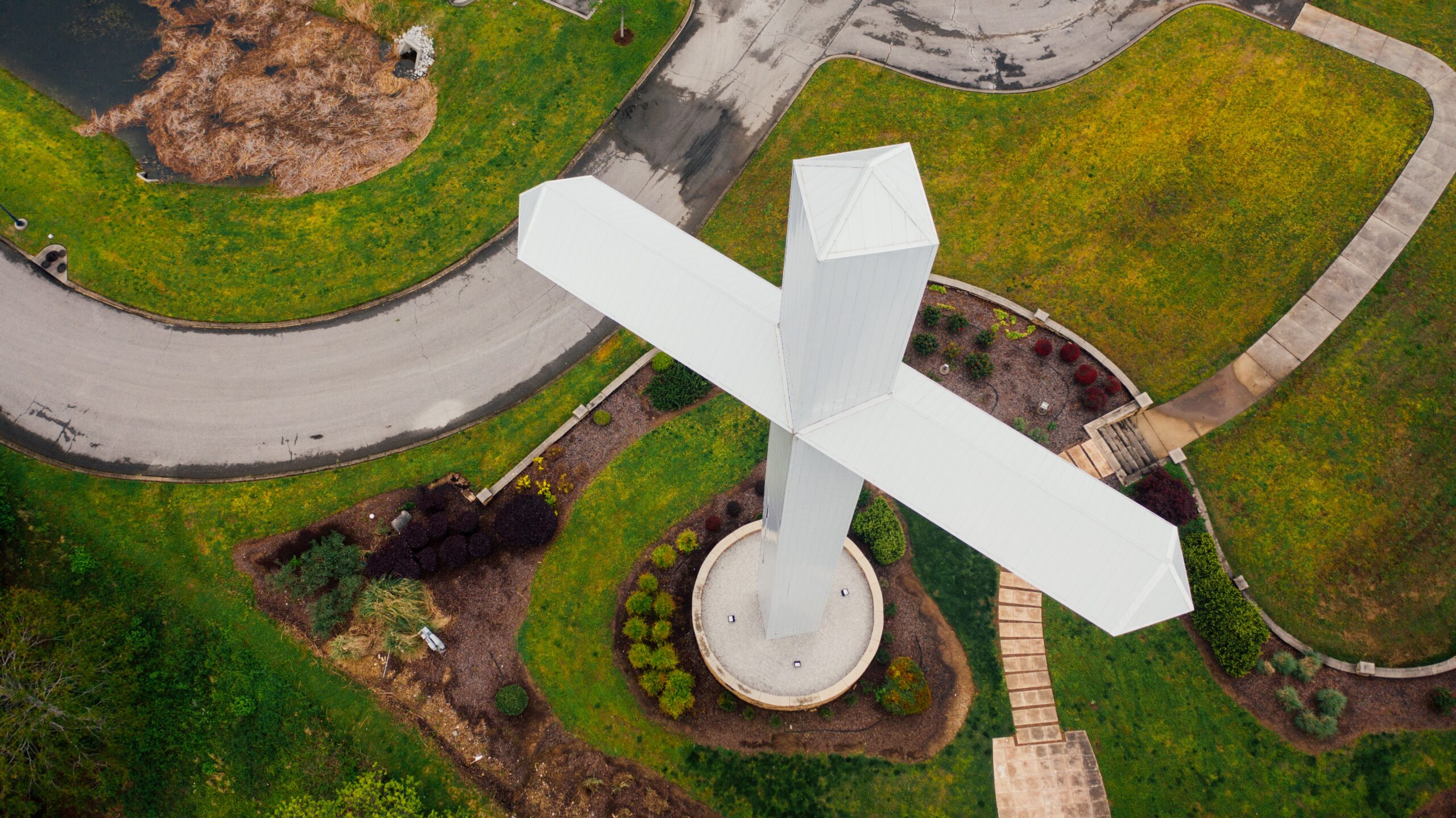
The Bible’s inerrancy makes it to occupy an elevated position of supremacy over all other sources of knowledge, discoveries and methods of understanding the world. Therefore, theology whose primary tool is the Bible occupies an enviable place in the realm of knowledge. The Apostle Paul warned Timothy to be mindful of human knowledge, because the young pastor was in possession of a superior knowledge:
“Timothy, guard what has been entrusted to your care. Turn away from godless chatter and the opposing ideas of what is falsely called knowledge, which some have professed and in so doing have departed from the faith.” (1Timothy 6: 20 – 21).
———————————
1Erna Oliver, Theology: Still a Queen of Science in the Post-modern Era
Engaging Theology in the Public Sphere (April, 2020)
The field of theology encompasses a broad spectrum of disciplines, because it is made up of timeless truths and principles that can be applied to every field of human endeavour. In other words, theologians can fit into almost every area of human activity and help with timeless principles and wisdom of God at their disposal.
More than ever before, our world has been incarcerated by the deceits of Satan, and his lies have permeated and distorted every area of our lives. Unfortunately, the world does not know this fact as Ritenbaugh submitted: “The vast majority in this world is utterly unaware that they are in bondage to Satan – so unaware that most would scoff if told so.” 1 The lies and deceit of Satan has a firm grip over the affairs of men to the point that “truth has been watered down and even abandoned in many cases.”2
That theology has an edge over other disciplines is stating the obvious. It prepares and equips its practitioners with timeless truths and wisdom that can perfectly be applied in every human situation. Ray Stedman expresses this fact thus: “God has given us truth, truth never found in any hall of learning or great university in our country or in the world, and yet that truth is the view of reality that is absolutely certain. What a precious thing it is to be able to know the difference between right and wrong, error and truth, and to follow the truth! We “guard” it by using it, by living accordingly, and by not allowing anybody to take it away from us, or to water it down with false representation.”3
———————————
1 John W. Ritenbaugh, www.bibletools.org
2 www.kevinpierpont.com
3 Ray C. Stedman , O Man of God (www.pbc.org)
The deception of Satan has infiltrated, influenced and caged our present world, bringing all human systems and procedures into captivity. The only way for liberation to occur is to know and apply the truth of God’s word (John 8: 32). In this present condition, theologians must come into the picture with scripture – based analysis and prescriptions that can address situations and needs in our fallen world.
Conclusion
In conclusion, theology should stay relevant in our dynamic world and be at the vanguard of progressive transformation in our society. It should be applied to influence people of all callings into become positive change agents. This is achievable by engaging academic disciplines, the Church and the society in regular meaningful dialogues.
While theologians should find new ways to effectively proclaim the Gospel of salvation to all people, they should also embrace knowledge and initiatives provided by science, technology and other disciplines to facilitate the success of their enterprise. A theologian with a narrow knowledge of other disciplines cannot effectively and constructively engage our knowledge – propelled world with the truth of God’s word.
Theologians should always aim to be strategically located at the center of the Church, the academia and all other areas in the society; providing instructions, interpretations, analysis, answers and solutions to issues and challenges associated with life.
